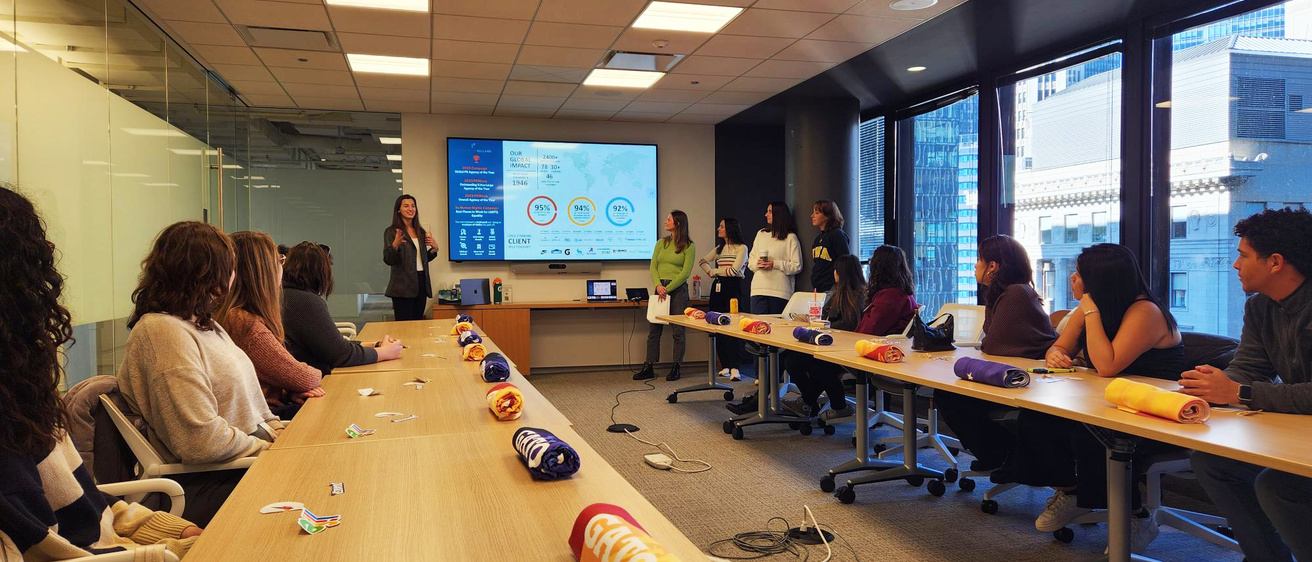
This Trek Toolkit is designed as an outline for departments and student organizations at the University of Iowa to effectively plan and implement career treks within their own unit to maximize student experiential learning opportunities. This page is best utilized as a planning guide and should be adjusted to fit the needs of the students and department managing the trek.
Brainstorm
Things to consider:
What is the goal of the trek? Career exposure, career exploration, networking, or a combination of these
Brainstorm ideas for locations and employers. Choose one to focus on first – which do you want to prioritize? If you start with employers, look for trends in location. If you start with location, pick your top 1-2 and brainstorm ideal employers.
What is your budget?
Possible funding sources: students pay (please provide scholarship option), department funding, sponsors (consider how you will advertise employers appropriately)
Ideas to minimize costs: stay local, have students provide their own transportation
Are there alumni connections you could utilize to enhance your planning?
What are popular locations for graduates? Utilize available post-graduation data to help identify
Pick a date
Tips:
Plan around popular university events (homecoming, finals, relevant career fairs, etc.)
Avoid times before and after breaks
Consider other busy times during semester for related majors
Avoid major holidays
Reach Out to Employers
Tips:
- Think about the location of employers in relation to one another when recruiting businesses for site visits
- Look for a variety of employers that will help reach your goal (size of employer, type of employer, values of employer, etc.)
- Prioritize employers with alumni connections when appropriate
Set the Itinerary
Things to consider:
- Where are your site visits located?
- Plan visits in a logical order based on site locations
- Leave extra travel time built in to ensure you arrive on time to each stop
- Will there be down time, and how do you plan to fill it? Alumni dinner, lunch at employer location, popular activities that are area specific, etc.
- Tip: Send a draft itinerary to employers to confirm the schedule 2-3 months
Sample Itinerary
Day 1
8 a.m. Departure from Campus
8 a.m.–12 p.m. Travel time
12–2 p.m. Visit Employer 1
Address: 123 Innovation Drive, City B
Welcome and introduction session (includes lunch)
Office tour
Presentation on company culture, current projects, and career opportunities
Q&A session with HR and current employees
2–2:30 p.m. Travel to Employer 2
2:30–4:30 p.m. Visit Employer 2
Address: 456 Eco Avenue, City B
Welcome and company overview
Alumni panel Networking session with team members from various departments
4:30–5 p.m. Travel time to hotel
5–6 p.m. Free time to freshen up/regroup
6–8 p.m. Alumni/networking dinner at hotel restaurant
8 p.m. Free time to explore or relax
Day 2
8 a.m. Breakfast at the hotel
9–9:30 a.m. Check-out and travel
9:30–11:30 a.m. Visit Employer 3
Address: 789 Wellness Street, City B.
Introduction and overview of the company
Tour of the facilities
Panel discussion with employees
11:30 a.m.–Noon Travel time
Noon–2 p.m. Visit Employer 4
Address: 101 Financial Plaza, City B.
Company introduction and industry insights
Networking lunch
Breakout interactive sessions with employees in different departments
2–6 p.m. Travel time (wrap up and reflection during car ride)
6 p.m. Arrival at Campus
Plan for Potential Accommodations
Tips:
- When traveling out of state, contact multiple hotels for best rates
- Secure travel options early (fleet services, busing, airfare, car rental, etc.)
- Recruit related staff drivers to attend and plan for backups
- Account for all meals including who will pay, where to eat, what to eat, and any possible dietary restrictions
- Plan built-in free time for activities or exploration in the area if staying overnight
- Visit the UI Travel page to check regulations and per diems for hotel and meal costs.
- Student organizations should use the Engage platform to submit and follow a standard event request
Create a Budget
Tips:
- Remember to include both staff and students when reserving hotels
- Think about all costs for travel, including transportation there, in city transportation (if different), and parking expenses
- Base any fees to attend off total budget and funds available. If there is a fee for students to attend, be sure to include a scholarship option for students who need funding assistance
Things to consider:
- Which meals will be included in the trek budget, and will students be responsible for any meals on their own?
- How will you travel between site visits? Include any extra costs for public transportation, parking, etc.
Budget Template
| Transportation and Lodging | Cost estimate | actual cost |
|---|---|---|
| Local transportation (Uber, public transportation, parking) | ||
Transportation to and from (i.e. flight, car rental, etc.) | ||
Other Transportation Costs | ||
Hotels (Cost per room x # of rooms x number of nights) | ||
Total Transportation and Lodging |
| Meals | Cost estimate | actual cost |
|---|---|---|
Lunch cost per person x # of people x number of days providing lunch | ||
Dinner cost per person x # of people x number of days providing dinner | ||
Breakfast cost per person x # of people x number of days providing breakfast | ||
Extra cost for staff meals (if not providing all student meals) | ||
Total Meals |
| Total Trek Cost | Estimate | Actual |
|---|---|---|
| Total Transportation and Lodging | ||
| Total Meals | ||
Miscellaneous expenses (venue rental, etc.) | ||
| Grand Total |
Market Your Event
Things to consider:
Need help promoting your trek? The Career Center can support with Handshake event creation, PCC social media posts, career coach outreach, and more. Email the trek coordinator with any requests.
- What is the limit of attendees, including students and staff, based on travel accommodations?
- What student support staff could help promote this event?
Tips:
- Create flyers and graphics using university templates
- Promote in classes, student organizations, and campus buildings when possible
- Consider including in class syllabi for appropriate classes
Plan Communication
- Timeline suggestions for when to execute each step
- Send the Student Guide with all student communication, along with any relevant employer information
Post-Trek Ideas
- Be sure to send a thank you note to participating employers (handwritten is best)
- Consider sending a survey to students to report on their experience and provide feedback
- Encourage students to follow companies and professionals they encountered on social media and to post about their experience, tagging the employers
Timeline for Communication
3–5 months in advance
- Begin planning process
- Recruit staff to attend/drive
- Contact employers and work with team to create itinerary
2–3 months in advance
- Email itinerary to employers for confirmation
- Contact Pomerantz Career Center if you would like promotion assistance
1–2 months in advance
- Advertise to students
- Contact faculty and staff to help promote
1–2 weeks ahead of visit
- Final confirmation to employers
- Initial email to students including itinerary, student guide, and any other relevant information
1 day ahead of visit
- Final confirmation to students with reminders and resend materials
Within 1 week after visit
- Send thank you to employers (email or handwritten)
- Email students with employer contact info so they can send thank you notes and encourage them to follow post-trek guidance on student guide
Before the Trek
Research: Familiarize yourself with the companies and industries you’ll be visiting. Understand their core values, recent developments, and any relevant news. This will help you ask informed questions and engage meaningfully during company visits.
Set Goals: Determine what you hope to get out of the career trek. Whether it’s networking, learning about specific roles, or gaining insights into company culture, having clear goals will help you focus your efforts.
Prepare Questions: Develop a list of thoughtful questions to ask professionals you meet during the trek. These questions should demonstrate your genuine interest in the industry or company and help you gather valuable information.
Update Your Resume: Ensure your resume is up-to-date and tailored to the industry or companies you’ll be visiting. Print a few copies in case there is an opportunity to share with employers of interest.
Dress Appropriately: Dress appropriately for a day of networking with potential employers. Unless otherwise specified, plan to wear business casual attire that is comfortable for travel.
Packing List
Resume copies
Notebook and writing utensil for notes
Water bottle
Snacks
Items for car ride (headphones, homework, etc.)
Personal items for hotel (overnights only)
Multiple/versatile outfits for different days and events (overnights only)
Money for free time activities or meals on own (overnights only)
During the Trek
Be Engaged: Actively participate in all activities and discussions during the trek. Take notes, ask questions, and listen attentively to speakers and professionals. Active engagement will not only help you learn but also leave a positive impression on others.
Network: Take advantage of networking opportunities to connect with professionals in your field of interest. Introduce yourself, express your enthusiasm, and exchange contact information for future follow-up. Remember to be respectful of professionals’ time and keep your interactions concise and focused.
Seek Insights: Use the opportunity to gain insights into various aspects of the industry or company, such as culture, career paths, and challenges. Ask about day-to-day responsibilities, skills required for success, and advice for aspiring professionals.
Take Notes: Keep detailed notes throughout the trek to document key takeaways, interesting observations, and contact information of professionals you meet. These notes will be valuable for future reference and reflection.
Questions to Ask Employers
- How would you describe your organization’s workplace culture?
- What drew you to work for this company?
- What do you enjoy the most about your job or organization?
- What makes a potential employee stand out during the interview process?
- What skills are most important for a position in this field? How did you learn these skills?
- What jobs and experiences have led to your present position?
- Does your company offer full-time employment to interns following their internship?
- How does your company differ from its competitors?
- How does a person progress in this field? What is a typical career path in this field or organization?
- What kinds of experience, paid or unpaid, would you recommend for people pursuing a career in this field?
- What special advice do you have for someone seeking to qualify for this type of position?
- How does this organization encourage personal and professional growth?
It is also recommended to look up information on each employer and ask company-specific questions.
After the Trek
Follow Up: After the trek, send personalized thank you notes to professionals you connected with. Express your gratitude for their time and insights and reiterate your interest in the industry or company. Consider creating a post via LinkedIn about your experience and tagging employers and the university.
Reflect: Take some time to reflect on your experiences during the career trek. What did you learn? Did it confirm or challenge your career aspirations? Use this reflection to refine your career goals and strategies moving forward.
Follow Through: Follow up on any action items or commitments made during the trek, such as sending additional materials or scheduling informational interviews. Demonstrating initiative and follow-through will set you apart as a proactive and reliable candidate.
Continue Networking: Stay connected with the professionals you met during the trek through LinkedIn or other professional networking platforms. Make sure to connect with or follow both individuals and employers. Share relevant articles or updates, and periodically reach out to maintain the relationship.
Apply Learnings: Apply the insights and knowledge gained from the career trek to your academic and professional pursuits. Use this experience to make informed decisions about internships, courses, or extracurricular activities that align with your career goals.
Stay Curious: Keep exploring and learning about different industries and career paths. Attend networking events, informational interviews, and career workshops to continue expanding your knowledge and opportunities.
Have Questions?
